Patchwork Flower Clipart: A Modern Design Asset
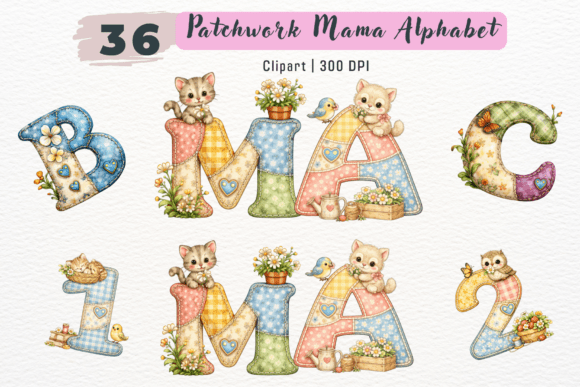
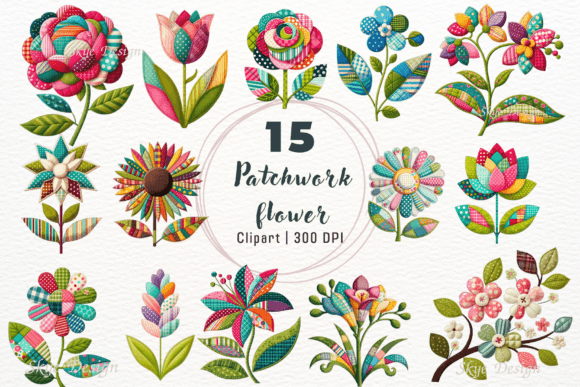
When you first encounter Patchwork Flower Clipart, you notice a distinct blend of whimsy and structure. This isn't a simple floral illustration; it's a collection of digital design assets that carry a unique, handmade aesthetic. The visual personality of these elements is rooted in the patchwork tradition—think of carefully stitched fabric pieces coming together to form a cohesive, charming whole. Each flower in the set feels intentional, combining organic shapes with a slightly geometric, crafted quality. The appeal lies in this balance: it's playful enough for personal projects yet structured enough to add a touch of artisanal professionalism to commercial work.
The included files are high-resolution PNGs with transparent backgrounds, making them incredibly versatile. You're not just getting a static image; you're getting a toolkit. The 300 DPI resolution ensures they look sharp whether you're printing a large poster or a tiny sticker. For a designer, entrepreneur, or crafter, this kind of flexibility is gold. It means one set of assets can serve multiple projects across different media without losing quality or requiring tedious background removal.
Where This Aesthetic Truly Shines
Patchwork Flower Clipart finds its strongest footing in projects that aim for a warm, approachable, and slightly nostalgic vibe. It’s a natural fit for brand identity work for businesses like artisan bakeries, boutique florists, handmade cosmetics brands, or children's education materials. The style communicates care, creativity, and a human touch. Imagine these flowers adorning the packaging for a small-batch jam or as the central motif on a wedding invitation suite—they instantly set a tone that is both personal and polished.
In editorial design and web design, these elements can break up monotonous layouts, add visual interest to blog headers, or serve as charming icons for listicles and guides. For social media graphics, a single patchwork flower can become a recognizable brand element, a watermark, or a decorative frame for a quote. The key is to use them with purpose. They are not subtle background textures; they are feature elements meant to draw the eye and convey a specific style. Pairing them with clean, sans serif typography often creates a beautiful contrast, letting the detailed clipart stand out against modern, readable type.
Integrating Clipart into Your Design Workflow
Thinking of these as just "pictures" is limiting. The real value of a resource like Patchwork Flower Clipart is how it integrates into your broader design system. Here’s how to approach it practically:
- Establish a Visual Hierarchy: Use a large patchwork flower as a focal point on a poster, with smaller versions as supporting elements. This creates a clear path for the viewer's eye, enhancing readability and engagement.
- Build Brand Consistency: If you adopt this style for a brand, use the clipart consistently across all touchpoints—from your website favicon and social media profile pictures to invoice headers and email signatures. This repetition builds recognition and a cohesive professional image.
- Evaluate Project Fit: Before diving in, ask: Does this style align with my project's core message? A tech startup might find it too whimsical, while a community garden newsletter would be a perfect match. The clipart should support the narrative, not distract from it.
One of the most practical steps is to test font pairings. The ornate, textured nature of patchwork clipart pairs exceptionally well with simple, geometric sans serif fonts for body text, ensuring readability. For headlines, a complementary serif or a clean script font can add elegance without competing for attention. Always view your design at various sizes to ensure the clipart’s details remain legible and impactful.
Practical Considerations for Commercial Use
This is a digital file purchase, which comes with specific responsibilities and freedoms. The license typically allows for use in physical and printed products you sell—like mugs, decals, art prints, and invitations. This is a significant advantage for small business owners and creators who produce tangible goods. However, the core rule is clear: you cannot resell the original digital files themselves. You are purchasing the right to use the artwork in your creations, not to redistribute the asset.
Always check the final output on your intended medium. Monitor calibrations vary, and the rich, textured colors of the watercolor patchwork style may shift slightly in print. Request a proof from your printer when possible, especially for important projects like packaging design or wedding stationery. Using high-quality paper or materials will also ensure the final product reflects the care put into the design.
Ultimately, resources like Patchwork Flower Clipart are about expanding your creative toolkit. They offer a shortcut to a specific, high-quality aesthetic that can elevate a project from generic to memorable. Used thoughtfully, they help craft a visual story that resonates with audiences who appreciate craftsmanship and warmth in design. Whether you're building a brand, creating marketing materials, or personalizing a hobby project, this kind of premium font and asset collection provides the building blocks for work that feels both professional and deeply personal.