Watercolor Fishing Clipart: Elevate Your Creative Projects
The Artistic Appeal of Hand-Painted Elements
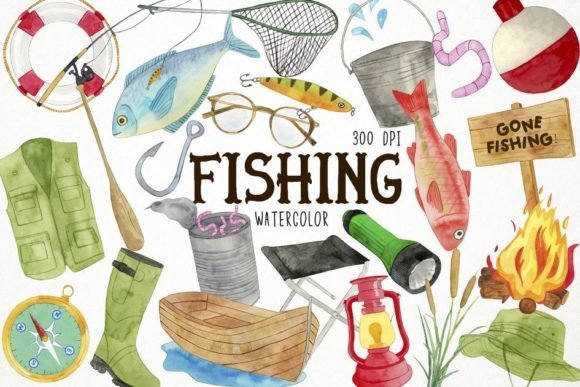
There's something genuinely special about watercolor artwork that digital graphics often struggle to capture. The Watercolor Fishing Clipart collection brings that organic, hand-painted quality directly to your design toolkit with 26 carefully crafted elements featuring fishermen, fish species, fishing gear, and natural aquatic details. Each piece carries the subtle texture variations, color bleeding, and imperfect edges that make watercolor art feel authentic and warm.
What sets this collection apart from standard vector illustrations is the personality embedded in every brushstroke. The fisherman figures have a relaxed, approachable quality rather than looking stiff or overly stylized. The fish elements show realistic coloring with artistic flair, and the supporting pieces like fishing rods, tackle, and water splashes add genuine depth to any composition. These aren't generic clipart pieces—they're miniature works of art designed for practical use.
The transparent PNG format at 300 DPI means you're getting professional-grade design assets that work seamlessly across both digital and print applications. Whether you're layering elements in Photoshop, arranging layouts in Canva, or preparing files for commercial printing, the resolution holds up without pixelation or quality loss.
Digital Scrapbooking and Memory Keeping
Scrapbooking enthusiasts understand the importance of authentic-looking embellishments. The Watercolor Fishing Clipart set works beautifully for fishing trip albums, outdoor adventure pages, and nature-themed memory books. The hand-painted style adds a personal, crafted feeling that digital stickers and flat graphics simply can't match. Layer a fisherman element over a photo mat, scatter some smaller fish pieces as accents, and suddenly your digital pages feel like they took hours of hand-painting to create.
Brand Identity and Logo Design
Small businesses in the outdoor recreation, fishing charter, bait shop, or sporting goods industries often struggle to find brand identity elements that feel authentic without looking amateurish. These watercolor elements offer a middle ground between clip-art cheapness and custom illustration costs. A fishing charter company could incorporate a single fisherman silhouette into their logo design, while a bait and tackle shop might use the fish elements across their entire visual identity system.
The key is restraint. Rather than cramming multiple elements into one design, choose one or two pieces that represent your brand essence and use them consistently. This approach creates brand recognition while maintaining the sophisticated, artisan quality that watercolor art provides.
Web Design and Digital Marketing
Website headers, blog post graphics, email newsletters, and social media graphics all benefit from distinctive visual elements. The fishing clipart works particularly well for outdoor lifestyle blogs, fishing equipment reviews, travel content featuring coastal destinations, and any digital space where you want to convey relaxation, nature, or recreational activity.
For web design applications, consider using these elements as section dividers, featured image accents, or background details. The watercolor texture adds visual interest without competing with your typography or main content areas. Since they're PNG files with transparent backgrounds, they integrate cleanly into any color scheme or layout design.
Print Applications and Physical Products
The 300 DPI resolution makes these elements suitable for greeting cards, invitations, posters, packaging, and even merchandise like t-shirts or mugs. Event planners organizing fishing tournaments, outdoor weddings, or rustic-themed parties will find these pieces invaluable for creating cohesive invitation suites and event signage.
Small business owners can use them for packaging design on artisan food products, especially anything related to seafood, outdoor dining, or coastal specialties. The watercolor style suggests handcrafted quality, which can elevate perceived product value without requiring expensive custom illustration work.
Working with the Collection
Having 26 elements gives you enough variety to create diverse compositions without everything looking repetitive. Start by sorting the pieces into categories: focal points (fishermen, larger fish), supporting elements (smaller fish, fishing rods), and accent details (splashes, bubbles, tackle). This organization helps you quickly grab the right piece for each project.
When combining multiple elements, pay attention to scale relationships. A fisherman figure should be proportionally larger than the fish he's catching, and background elements should be smaller than foreground pieces. These natural hierarchies create visual logic that makes compositions feel balanced and intentional.
Color Coordination and Background Considerations
While the transparent backgrounds offer maximum flexibility, consider how the watercolor elements interact with your chosen backgrounds. Busy or highly saturated backgrounds can compete with the subtle color variations in watercolor art. Solid colors, soft gradients, or textured paper backgrounds typically work best because they let the hand-painted details remain visible.
The natural color palette in watercolor fishing elements tends toward blues, greens, warm earth tones, and muted accent colors. These work beautifully with similar-toned design projects but might clash with neon colors or very bold, saturated palettes. If your brand uses strong colors, consider placing the watercolor elements on neutral backgrounds rather than directly on brand-colored surfaces.
Typography Pairing Suggestions
The organic, handmade quality of watercolor art pairs well with certain typeface styles. Serif fonts with moderate contrast create a classic, established feeling that complements the traditional subject matter. Sans serif fonts offer clean contrast that lets the watercolor elements remain the visual focal point. Script fonts and handwritten fonts can work but require careful selection—avoid overly decorative options that might compete with the art for attention.
For editorial design projects like magazine layouts or blog graphics, try pairing these elements with readable body text in a modern typography style. The contrast between contemporary type and traditional watercolor art creates visual interest while maintaining professionalism.
Licensing and Commercial Considerations
Before incorporating any design assets into commercial projects, review the specific licensing terms carefully. Most digital clipart collections allow personal and small commercial use, but restrictions often apply to large-scale production, print-on-demand services, or resale as standalone graphics. Understanding these boundaries protects both your business and the original artist's rights.
For commercial font and graphics licensing, the key question is usually how you're using the elements. Incorporating them into a larger design for a client project typically falls within standard licensing. Selling the elements themselves, or using them in templates that you resell, often requires extended licensing. When in doubt, contact the creator directly rather than assuming your intended use is covered.
This Watercolor Fishing Clipart collection represents a practical investment for anyone regularly creating content in outdoor, nature, or recreational niches. The combination of artistic quality, versatile file formats, and reasonable element count makes it genuinely useful rather than just decorative. Whether you're a designer building client projects, a blogger creating consistent visual content, or a small business owner developing your brand presence, these hand-painted elements offer authentic charm that stock photography and standard clipart simply cannot replicate.