Mastering the Hunt: Using a Flying Mallard Duck Hunting Hunter PNG
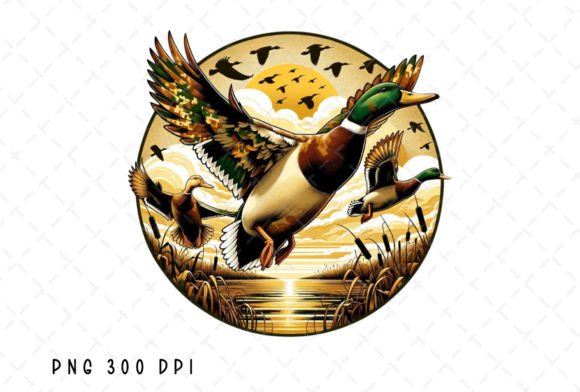
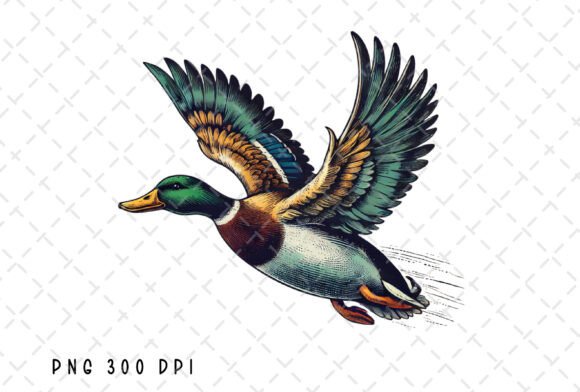
There is a specific kind of energy in the air when you spot a mallard in flight—that split second of anticipation before the flush. Capturing that kinetic energy in a digital design is often difficult because static images can feel lifeless. However, when you are working with a high-quality digital asset like the Flying Mallard Duck Hunting Hunter PNG, you are dealing with more than just a picture; you are holding a piece of visual storytelling that requires a strategic approach to deploy effectively. As a designer or entrepreneur, your goal isn't just to paste an image onto a surface; it is to create a mood, tell a story, and connect with an audience that loves the outdoors.
Because you are purchasing digital files, specifically a Flying Mallard Duck Hunting Hunter Sublimation PNG, the workflow is entirely different from working with standard clipart or vector files. This asset is built for high-resolution output, boasting a massive 4,000x4,000 pixel dimension at 300 dpi. That specification alone tells you this is intended for large-format printing or detailed sublimation work where pixelation is the enemy. The transparent background is your best friend here, allowing you to layer this imagery over textures, landscapes, or solid colors without the hassle of messy masking. But knowing the technical specs is only half the battle; the real craft lies in application.
The Anatomy of the Image: Why Detail Matters in Sublimation
When we talk about the "personality" of a graphic asset, we are really talking about the level of detail and the artist's intent. A generic duck silhouette serves a purpose, but a detailed PNG of a hunter in action possesses a narrative weight. The visual characteristics of a premium asset like this usually involve intricate feather textures, realistic lighting on the hunter's gear, and a sense of movement. This level of detail is crucial for sublimation projects. Sublimation ink bonds with fabric fibers, meaning you need a source file that can handle gradients and fine lines without breaking apart.
Consider the difference between a logo design and a full-bleed illustration. A logo design often relies on simplicity for scalability. However, this Flying Mallard Duck Hunting Hunter PNG is a display asset. It functions much like a display font in typography—it demands attention and sets the tone. It is not meant to be a tiny icon in the corner of a website; it is meant to be the hero image. The "personality" of this file is rugged, active, and authentic. It appeals to the hunter who respects the sport and the tradition, not just the kill. If your brand identity leans toward heritage, ruggedness, or outdoor lifestyle, this image aligns perfectly with that narrative.
Strategic Placement: From Apparel to Editorial Design
One of the most common mistakes in packaging design and apparel is overcrowding. You have a fantastic graphic, so the instinct is to make it huge and slap it in the center. While that works for some social media graphics or statement t-shirts, versatility comes from thoughtful placement. Because this file comes without a watermark and with a transparent background, you have the freedom to experiment with negative space.
For t-shirts and apparel, think about the "pocket" area or a wrap-around design where the mallard is flying from the side seam across the chest. This creates a sense of movement that static center-chest prints lack. For mugs and drinkware, the challenge is the curve. A 4,000x4,000 px square file needs to be adapted. You might crop in tight on the duck’s head and wing for a smaller mug, or use the full image for a tall travel tumbler where the "wrap" effect works in your favor.
When it comes to editorial design or web design, this image works beautifully as a background element with reduced opacity. Imagine a hunting blog header where this image sits behind the text at 20% opacity. It adds texture and context without fighting the headline for attention. This technique is vital for maintaining visual hierarchy. The image supports the content; it doesn't drown it out. For greeting cards or postcards, the high resolution ensures that even if you print at 5x7 inches or larger, the details remain crisp, conveying a sense of quality that cheap stock photos cannot match.
Technical Integration and Workflow
Working with a high-res PNG is generally straightforward, but there are nuances. Since this is a raster image (pixels, not vectors), you cannot infinitely scale it up without losing quality, though at 4000px, you have a massive runway. If you are creating a brand identity system for a hunting lodge or an outdoor gear company, consistency is key. You need to ensure that the lighting in the PNG matches the lighting in your other design assets.
For example, if your brand uses a sans serif font for headers—something clean and bold like a Helvetica or a Futura—it will contrast nicely with the organic, natural shapes of the mallard and the hunter. If you prefer a script font or a handwritten font for a "Field & Stream" vibe, ensure the stroke weight is heavy enough that it doesn't get lost against the complexity of the image. A thin, delicate script might vanish when placed over the detailed feathers of the duck. Always test your font pairing on top of the image before finalizing a layout.
Furthermore, color management is critical. Mallards are defined by their iridescent green heads and brown chests. When setting up your sublimation prints, ensure your color profiles (CMYK for print, RGB for digital) are set correctly so that green doesn't print as a dull olive. The "pop" of the mallard's head is usually the focal point; you want that color fidelity to remain accurate.
Commercial Reality and Licensing
As a creative professional or business owner, the most critical aspect of this transaction is the licensing. The instructions are explicit: you cannot resell the original files. This is a standard protection for digital creators. You are buying the right to use the asset to create new products, not to compete with the original seller by reselling the raw PNG on Etsy or Creative Market.
This distinction is vital for your commercial font and asset strategy. If you are a print-on-demand seller, you can put this on a t-shirt and sell the shirt. You cannot sell the PNG file to another designer. This protects the value of the art. Before you launch a product line, review the specific terms of use provided in the official document. If you plan to use this on a mass-produced item sold in big-box retailers, "contact support" is not just a suggestion—it is a necessary business step to ensure you are fully covered legally.
Ultimately, the Flying Mallard Duck Hunting Hunter PNG is a specialized tool. It is not a generic typeface or a simple shape; it is a piece of art that requires a designer's eye to implement successfully. By respecting the technical specs, understanding the audience's desire for authenticity, and adhering to the licensing rules, you can turn this digital file into a tangible product that resonates with the hunting community. Whether it’s a rugged sign for a man cave or a high-performance moisture-wicking shirt, the value lies in how you frame the hunt.